

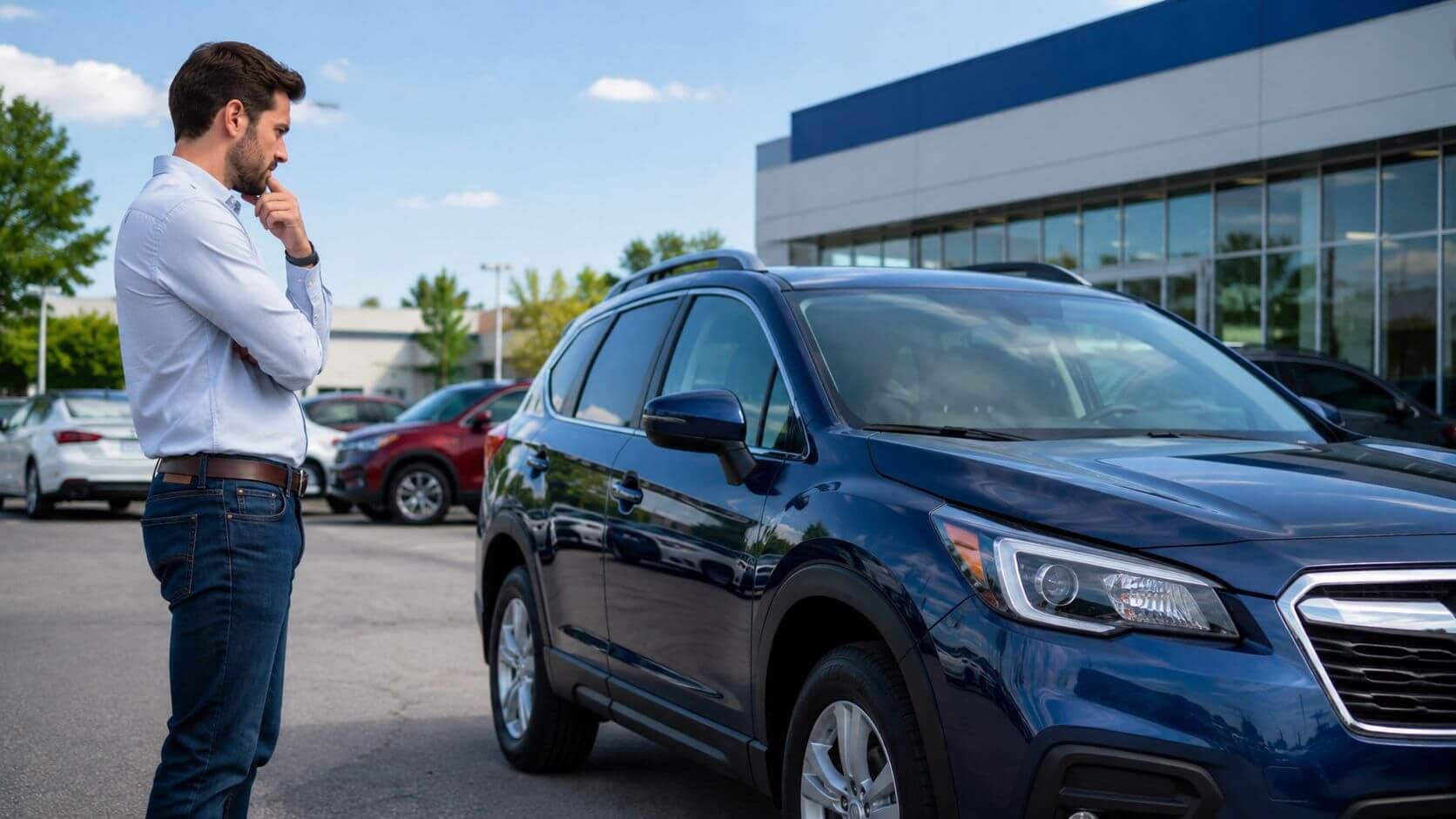
When you are buying a used car, safety should be one of the first things you review. But many buyers are not sure where to begin. Should you look up the vehicle’s safety ratings first? Or should you check whether it has open recalls?
The short answer: check recall history first for the specific vehicle, then review safety ratings for the model.
Both are important, but they answer different questions. A safety rating tells you how a vehicle model performed in crash tests or safety evaluations. A recall check tells you whether the actual vehicle you are considering may have an unrepaired safety defect.
That difference matters. A vehicle can have strong crash-test ratings and still have an open recall. It can also have average ratings but no open recalls. To make a smarter used car decision, you need to understand both.
What Is Recall History?
Recall history refers to safety recalls issued for a vehicle, equipment, tire, or car seat. A recall happens when a manufacturer or safety agency determines that there is a safety-related defect or that the vehicle does not meet minimum safety standards.
For used car buyers, the most important question is whether the specific vehicle has an open or unrepaired recall. You can start with a vehicle recall check using the VIN.
An open recall may involve issues such as:
- Airbags
- Brakes
- Steering
- Seat belts
- Fuel systems
- Electrical systems
- Engines
- Software
- Tires
- Structural components
Some recalls are simple fixes. Others can involve serious safety risks. That is why buyers should not treat recall checks as an afterthought.
What Are Safety Ratings?
Safety ratings help consumers compare how vehicle models perform in crash testing and safety evaluations. In the United States, the National Highway Traffic Safety Administration provides 5-Star Safety Ratings to help shoppers compare vehicle safety performance.
These ratings may include frontal crash, side crash, and rollover evaluations. In general, higher ratings indicate better crash protection in the tested categories.
But here is the key point: safety ratings usually apply to a model, not necessarily the exact vehicle sitting in front of you.
For example, a certain SUV model may have a strong overall safety rating. But the specific used SUV you are considering may still have an open airbag recall, unrepaired brake issue, or prior damage that affects real-world safety.
Safety ratings are helpful, but they do not replace a VIN-specific recall check.
The Main Difference: Model Safety vs Vehicle-Specific Risk
The easiest way to understand the difference is this:
- Safety ratings tell you how a vehicle model performed in controlled testing.
- Recall history tells you whether a specific vehicle may need a safety-related repair.
Both are valuable, but they work at different levels.
A safety rating can help you compare one model against another. A recall check helps you evaluate the exact vehicle you may buy.
If you are choosing between several models, safety ratings are helpful early in the process. But once you have a VIN, recall history should become a priority.
What Should Buyers Check First?
If you already have the VIN, check for recalls first.
Why? Because an open recall may require action before the vehicle is safe or practical to own. If the recall remedy is not available yet, if parts are delayed, or if the issue is serious, that may affect your purchase decision.
Use this simple order:
- Confirm the vehicle identity.
- Check for open recalls by VIN.
- Review vehicle history.
- Compare safety ratings for the model.
- Get a pre-purchase inspection.
This does not mean safety ratings are less important. It simply means recall history can reveal an urgent issue tied to the exact car.
A Simple Decision Tree for Buyers
Use this decision tree when checking safety information before buying a used car.
If You Do Not Have the VIN Yet
Start by researching the model. Look at general safety ratings, common safety concerns, owner complaints, and known recalls by year, make, and model.
You can also ask the seller for the VIN. A serious seller should be willing to provide it before you inspect or buy the vehicle.
If You Have the VIN
Run a recall check first. Use the VIN to see whether the vehicle has any open safety recalls. If there is an open recall, read the recall details carefully and contact a dealer for that brand to ask about the repair.
If the Vehicle Has an Open Recall
Do not panic, but do not ignore it. Ask:
- What part or system is affected?
- Is the remedy available?
- Can the repair be completed before purchase?
- Is it safe to drive before repair?
- Will the dealer fix it for free?
- Is there documentation if the seller says it was already repaired?
If the recall affects a critical safety system, it may be better to wait until the repair is complete before buying.
If the Vehicle Has No Open Recalls
That is a good sign, but it is not the end of your research. Continue with a vehicle history report, model safety rating review, title check, and inspection.
A recall check may not show every possible issue. It does not tell you whether the vehicle was in a prior accident, poorly repaired, flooded, or neglected.
Why Recall Checks Matter Before Safety Ratings
Recall checks matter early because they are tied to real ownership action. If the vehicle has an open recall, the repair may need to be completed by an authorized dealership. In many cases, recall repairs are performed at no cost to the owner, but the timing can still matter.
For example, a buyer may discover that the vehicle has an open recall but replacement parts are not yet available. Another buyer may discover that the recall requires a software update that can be completed quickly. Those two situations carry very different levels of concern.
This is why a NHTSA VIN lookup or recall-focused search is useful before you spend money on the vehicle.
Why Safety Ratings Still Matter
Safety ratings are still important because they help you understand how a model compares with other vehicles.
If you are choosing between two used sedans, SUVs, trucks, or minivans, safety ratings can help you evaluate crash protection and rollover resistance. This is especially important for families, teen drivers, commuters, and anyone who regularly drives on highways.
Safety ratings are also useful when comparing older vehicles with newer models. A newer vehicle may include advanced safety features that were not available or common in older generations.
However, ratings should be used together with real-world condition. A vehicle with strong safety ratings may still be risky if it has prior structural damage, missing airbags, open recalls, or poor repair history.
Decode the VIN Before Comparing Safety Details
Before checking ratings or recalls, make sure you are looking at the correct vehicle. A listing may contain mistakes. A seller may accidentally choose the wrong trim. A vehicle may be advertised as one model year but decode differently.
Use a tool to decode the VIN and confirm:
- Year
- Make
- Model
- Body style
- Engine
- Trim or series, when available
- Vehicle type
- Manufacturing details
This step helps you avoid comparing the wrong safety rating or recall information. If the VIN details do not match the seller’s listing, pause and ask questions before moving forward.
When a License Plate Lookup Can Help
Sometimes buyers see a used car listing before the VIN is provided. In other cases, the seller may share the license plate first, or the plate may be visible in listing photos.
A license plate lookup can help connect the plate and state to vehicle details, depending on available records. This can be useful as an early cross-check before you receive the VIN.
Plate lookup can also help when something feels inconsistent. For example, if the plate-based information does not match the seller’s description, ask for the VIN and verify the vehicle directly before continuing.
The VIN should still be the main source for recall checks, but plate lookup can be a helpful supporting step.
What Safety Ratings Cannot Tell You
Safety ratings are useful, but they have limits.
They usually cannot tell you:
- Whether this exact vehicle has an open recall
- Whether the vehicle was repaired after an accident
- Whether airbags were replaced properly
- Whether the frame or structure was damaged
- Whether the tires and brakes are currently safe
- Whether the vehicle has a branded title
- Whether previous owners maintained it properly
That is why a high safety rating should not make you skip the basics. Always check recalls, review the VIN history, inspect the vehicle, and verify the title.
What Recall Checks Cannot Tell You
Recall checks also have limits. A recall lookup may not show repaired recalls, certain recently announced recalls, older recalls beyond the available lookup period, non-safety service campaigns, or recalls involving some specialty or international vehicles.
A recall check also does not replace a full vehicle history report. It may tell you whether a safety recall is open, but it will not fully explain ownership history, accident history, odometer patterns, title brands, liens, theft records, or prior sale activity.
So the best approach is not “ratings or recalls.” It is ratings plus recalls plus history plus inspection.
Beginner-Friendly Safety Checklist Before Buying
Before buying a used vehicle, follow this simple safety review:
- Get the VIN directly from the vehicle or seller.
- Decode the VIN to confirm the year, make, model, and body style.
- Run a recall check by VIN.
- Ask the seller for recall repair records.
- Contact a dealer if there is an open recall.
- Review safety ratings for the correct model year.
- Run a vehicle history report.
- Inspect tires, brakes, lights, airbags, and warning lights.
- Schedule a pre-purchase inspection.
- Do not buy until major safety questions are answered.
This process is simple, but it can prevent expensive and dangerous mistakes.
Final Takeaway
So, what should buyers check first: safety ratings or recall history?
If you already have the VIN, check recall history first. It tells you whether the specific vehicle may need a safety repair. Then review safety ratings to understand how the model performs in crash testing and safety comparisons.
A safe used car decision requires both. Recall history helps you catch urgent, vehicle-specific issues. Safety ratings help you compare model-level protection. Vehicle history and inspection help you understand the car’s real condition.
Before buying, start with a vehicle recall check, confirm the VIN, review the safety ratings, and make sure the vehicle’s condition matches the story.
FAQs
Should I check recalls before buying a used car?
Yes. A recall check can show whether the specific vehicle has an open safety recall that may need repair. It is one of the first checks you should run after getting the VIN.
Are safety ratings the same as recall history?
No. Safety ratings evaluate how a vehicle model performs in crash tests and safety assessments. Recall history shows whether a specific vehicle may have an unresolved safety-related defect.
Can a car have good safety ratings and still have an open recall?
Yes. A model can have strong safety ratings while a specific vehicle from that model line has an open recall. That is why you should check both.
Is it safe to buy a vehicle with an open recall?
It depends on the recall. Some repairs are simple, while others may involve serious safety risks. Contact a dealer, confirm whether the remedy is available, and consider completing the repair before purchase.
What should I do if the seller says the recall was already fixed?
Ask for service documentation. You can also contact a dealership with the VIN to ask whether recall repair records are available.